
.svg)
The UK is made up of four distinct nations, each with its own education system, cultural identity, cost of living, and student experience.
Scotland vs. the Rest of the UK
Which Study Destination Wins for Nepali Students?
Let’s look into why Scotland stands out as a study destination, and compare it to England, Wales, and Northern Ireland, using the the 5 Cs framework.
In recent years, Scotland has quietly emerged as one of the strongest study destinations in the UK for Nepali students, not just for its university rankings, but for the complete picture: employability, affordability, community, and quality of life.
Let’s look into exactly why Scotland stands out, and then compare it to England, Wales, and Northern Ireland, using the the 5 Cs framework — Country, Career, College, Course, and Cost.
Country
Scotland

Scotland is consistently ranked among the most welcoming parts of the UK for international students. Cities like Edinburgh, Glasgow, Dundee, and Aberdeen are compact, student-friendly, and easy to navigate.
With over 5,000 Nepali students already in Scotland, you’ll find established communities, cultural events, familiar food, and strong peer networks—especially in Edinburgh and Glasgow. Dashain and Tihar are celebrated, and even momo is easy to find. That sense of familiarity can make the transition abroad much smoother.
England

London is one of the world’s most dynamic cities, offering unmatched diversity, exposure, and opportunity. It also has a sizable Nepali diaspora. However, London can be overwhelming. It is fast, expensive, and for many students from Nepal, a huge culture shock. The cost of living alone—averaging around £2,000 per month for students, excluding tuition—is beyond reach for many Nepali families.
Other cities like Manchester, Leeds, and Nottingham are more affordable, but Nepali communities there are smaller compared to Scotland.
Wales
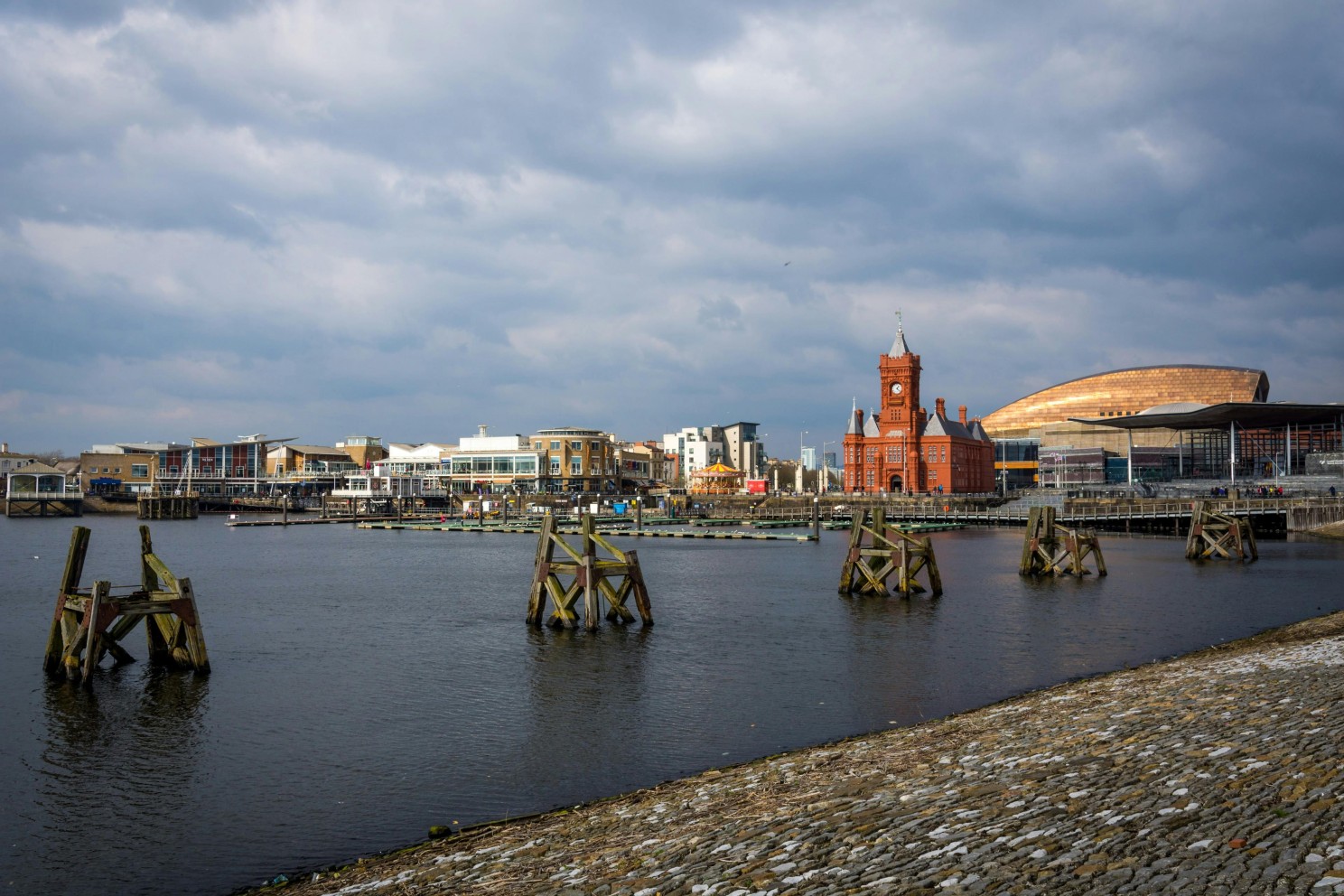
Wales offers beautiful scenery, a strong sense of national identity, and affordable living. However, there are fewer university options, and the Nepali community in Wales is very small which means students largely have to build their support networks from scratch.
Northern Ireland

Northern Ireland is often overlooked but offers excellent livability. Belfast was voted one of the top ten friendliest cities in the UK by Condé Nast Traveller in 2024 and is the safest region in the UK according to UK Crime Surveys. The downside is that Belfast is a smaller city with fewer international connections, and the Nepali community there is very small.
Career

Scotland
Scotland offers a strong and well-balanced job market across technology, renewable energy, finance, healthcare, and engineering—all sectors with both global demand and relevance for Nepali graduates.
- Edinburgh is one of Europe’s leading financial centres, home to major banks, asset management firms, and fintech companies
- Glasgow is rapidly growing as a hub for technology, startups, and creative industries
- Aberdeen, traditionally driven by oil and gas, is now transitioning into renewable energy, making it a global centre for energy innovation—highly aligned with Nepal’s hydropower-driven future
This diversity of cities and industries increases the likelihood of finding internships, part-time work, and graduate roles across different sectors.
87% of international graduates from Scottish universities are employed or enrolled in further studies within 15 months of graduation—the highest rate among all four UK nations. Combined with strong university–industry links and a more accessible job market, Scotland offers a practical pathway from study to employment.
England
England leads in scale, access, and global exposure, particularly in cities like London. London offers unmatched opportunities in finance, consulting, media, tech, and global business. Access to multinational companies, internships, and networking events is significantly higher than anywhere else in the UK
However, students must take into account:
- Intense competition, especially for international students
- Greater reliance on networking, prior experience, and top-tier university branding
- Higher cost of living, increasing pressure to secure well-paying roles quickly
For highly ambitious students targeting elite careers—especially in finance or consulting—England, and London in particular, can be a strong choice.
For most fields—engineering, healthcare, data science, education—Scottish universities often provide similar career outcomes at a lower cost and with less competition.
Wales
Wales is steadily developing its professional landscape, with Cardiff acting as the main economic centre.
Key sectors include:
- Finance and banking
- Media and communications
- Public sector and government roles
Welsh universities maintain good links with local employers, and graduate outcomes are generally stable. However:
- The economy is smaller and less diversified
- Fewer multinational companies are present
- Career mobility options are more limited compared to Scotland or England
For students seeking a quieter environment with moderate career prospects, Wales is a reasonable option—but it offers fewer long-term opportunities overall.
Northern Ireland
Northern Ireland offers solid career outcomes, particularly through Queen's University Belfast, which reports strong graduate employability. Belfast has a growing presence in:
- Technology (especially cybersecurity and fintech)
- Financial services
- Professional services
The city is also attracting international investment, creating new opportunities for graduates. However, limitations include:
- A smaller job market overall
- Fewer industries and large employers compared to Scotland or England
- Less flexibility in switching sectors or exploring diverse career paths
Northern Ireland works well for students with a clear career focus, but offers less breadth and scalability compared to Scotland.
College
Scotland
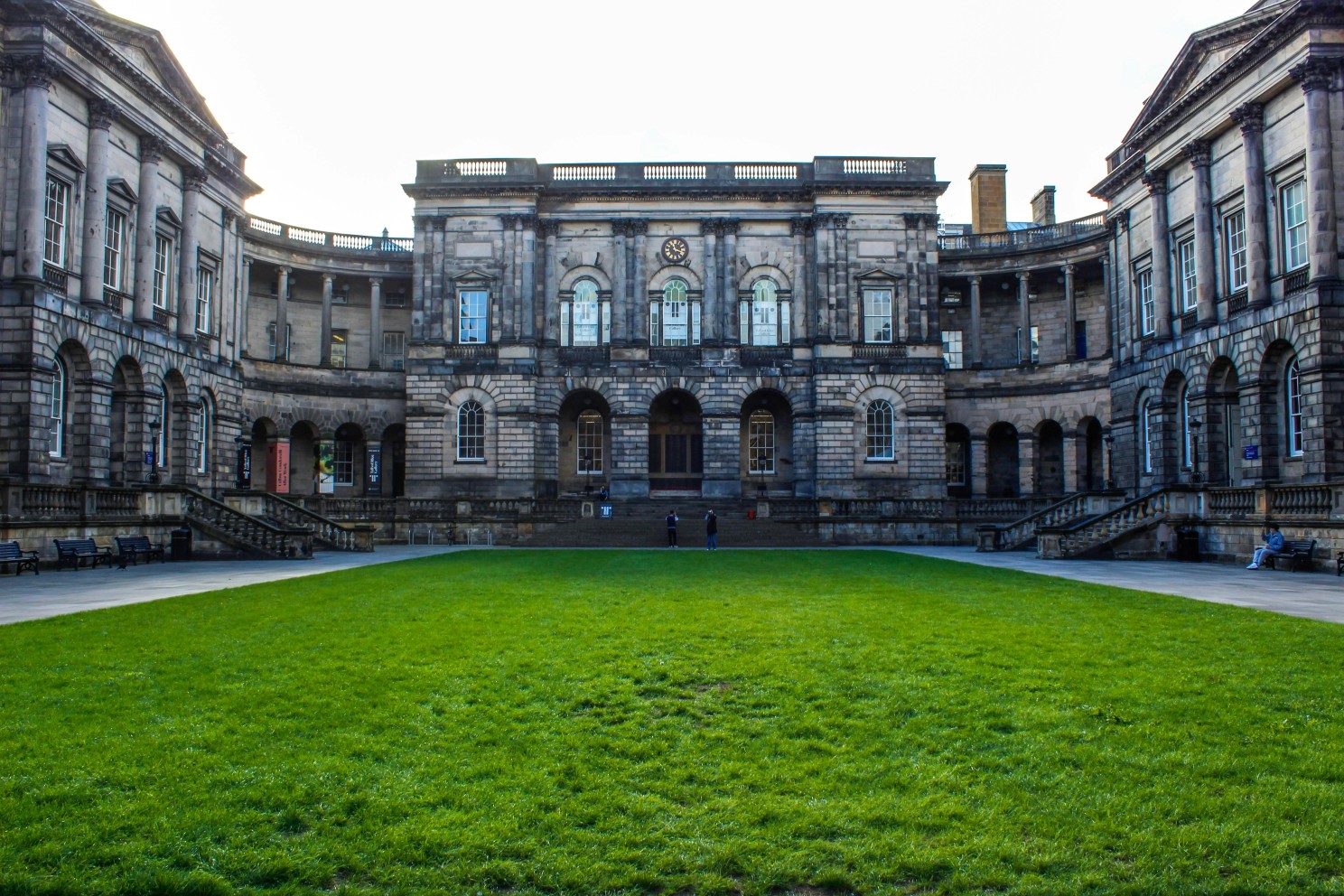
Scotland’s university landscape is exceptional relative to its size, with 19 universities and three ranked in the global top 100.
- University of Edinburgh (#27, QS 2025)
- University of Glasgow (#76)
- University of St Andrews (#100)
Beyond these, Scotland has a strong and diverse second tier:
- Robert Gordon University: #1 in Scotland, #3 in the UK for employability
- Heriot-Watt University: top-ranked in Scotland for employability; globally recognised for engineering, business, and actuarial science
- University of Dundee: particularly strong in art and design, dentistry, and law
- University of Strathclyde: award-winning for engineering, business, and innovation
- Glasgow Caledonian University: well-regarded for nursing, public health, and applied sciences
What sets Scotland apart is not just rankings, but consistency. Across multiple cities, students can access reputable, industry-connected universities with strong graduate outcomes. Many institutions date back to the 15th and 16th centuries, combining academic heritage with modern teaching, research, and global industry links.
England
England has the largest concentration of globally ranked universities in the UK, offering unmatched variety and specialisation.
It is home to globally elite institutions such as:
Alongside these are prestigious groups like the Russell Group, which includes universities such as UCL, Manchester, and King’s College London, as well as a wide range of modern, career-focused institutions.
England’s biggest advantage is breadth. You’ll find highly specialised programmes from niche arts degrees to cutting-edge tech fields that may not exist elsewhere in the UK.
However, this comes with trade-offs:
- Admissions are often more competitive
- Tuition fees—especially in London—can be significantly higher
- The quality gap between top-tier and lower-ranked institutions can be wider
For high-achieving students targeting elite universities, England is unmatched. For most students, however, the cost-to-outcome ratio needs careful consideration.
Wales
Wales offers a smaller but focused university system, anchored by Cardiff University, a Russell Group member with strong global rankings and strengths in subjects like journalism, architecture, and healthcare
Other universities include:
These institutions offer quality education and supportive learning environments, often with smaller class sizes and more personalised teaching.
However, compared to Scotland:
- There are fewer globally recognised universities
- Research output and international rankings are more limited overall
- Course variety and institutional choice are narrower
For students prioritising affordability and a quieter study environment, Wales is a solid option—but it offers less global exposure and choice.
Northern Ireland
Northern Ireland’s higher education system is centred around Queen's University Belfast, a respected Russell Group institution with strong programmes in medicine, law, engineering, and business. It offers excellent teaching quality, strong employability outcomes, and a growing research profile.
Aside from Queens, Ulster University is also a popular choice, focusing more on applied and vocational programmes.
However, the key limitation of Northern Ireland is scale:
- Fewer universities overall
- Limited diversity in course offerings compared to larger systems
- Less flexibility if you want to compare multiple institutions within the same region
In contrast to Scotland’s 19 universities across multiple cities, it offers a much narrower academic ecosystem.
Course

Scotland
Scotland offers a broad and well-balanced range of programmes, with particular depth in fields that align strongly with global demand and Nepali students’ career goals.
Medicine & Health Sciences
- University of Edinburgh and University of Glasgow are globally ranked, with Edinburgh especially renowned for medical research
- University of Dundee is consistently rated among the UK’s best for dentistry
Engineering & Technology
- Heriot-Watt University and University of Strathclyde lead in mechanical, civil, petroleum, and renewable energy engineering
Computer Science & Data Science
- Widely available across major universities, feeding directly into Scotland’s growing tech ecosystem
Business & Finance
- Strong postgraduate programmes at Edinburgh, Glasgow, and Strathclyde, with links to European and global financial networks
Renewable Energy
- A standout Scottish strength, with Aberdeen and Heriot-Watt acting as global research hubs—highly relevant for Nepal’s energy future
A key academic difference is structure:
- Undergraduate degrees typically last 4 years, offering greater flexibility to explore subjects before specialising
- Postgraduate degrees are typically 1 year, in line with the rest of the UK
This combination of flexibility, industry alignment, and strong subject depth makes Scotland one of the most well-rounded academic environments in the UK.
England
England offers the widest and most specialised course selection in the UK, making it the best option for highly specific or niche academic interests.
Examples of standout institutions include:
- London School of Economics and Political Science: Economics, Politics, Social Sciences
- Imperial College London: Engineering, Medicine, Technology
- Royal College of Art: Art and Design
- Courtauld Institute of Art: Art History
Undergraduate courses in England are usually 3 years, and postgraduate courses 1 year.
England excels in niche and elite programmes, but this often comes with higher costs and more competitive entry. If a student is targeting a highly specialised programme that only exists in England, it is a strong reason to choose it. However, for most mainstream fields—engineering, business, IT, health sciences—Scotland offers comparable quality with better overall value.
Wales
Wales offers solid programmes with specific subject strengths, particularly in:
- Journalism and media (notably at Cardiff University)
- Dentistry and healthcare
- Communications and environmental science
Welsh universities often provide:
- Smaller class sizes
- More personalised teaching
- Strong student support systems
- Undergraduate degrees: 3 years
- Postgraduate degrees: 1 year
However:
- Course variety is more limited
- Fewer specialised or research-intensive programmes are available compared to Scotland or England
Wales is a good option for students prioritising affordability and a supportive learning environment, but it offers less breadth overall.
Northern Ireland
Northern Ireland delivers strong coverage of core disciplines, primarily through Queen's University Belfast.
Key strengths include:
- Medicine
- Law
- Engineering
- Pharmacy
For standard professional degrees, the academic quality is high and outcomes are strong. Just like England and Wales, undergraduate courses are usually 3 years, and postgraduate courses 1 year. However, limitations include:
- Fewer universities and programmes overall
- Limited availability of niche or highly specialised courses
- Less flexibility in choosing between institutions
For students with a clear, traditional career path, Northern Ireland works well—but it lacks the academic breadth and flexibility offered by Scotland.
Cost

Scotland
Scotland offers one of the strongest value-for-money propositions in the UK—more affordable than London, competitive with regional England, and often delivering higher-ranked universities than Wales or Northern Ireland at similar price points.
Tuition fees: £13,000–£26,000 per year, depending on the university and subject
Living costs (monthly):
- Edinburgh: £1,200–£1,800
- Glasgow & Aberdeen: £900–£1,100
- Dundee & Stirling: £800–£1,000
Additional advantages:
- Lower visa financial requirement compared to London (outside-London rate)
- Wide range of scholarships, including merit-based and country-specific options
- Strong graduate outcomes, improving return on investment
Overall, Scotland strikes a balance between affordability, quality, and long-term value, which is particularly important for Nepali students managing tight budgets.
England
England has the widest cost range, but also the highest overall expenses, especially in London.
London:
- Living costs: £2,000/month (excluding tuition)
- Tuition fees: £20,000–£60,000+ per year, with business, medicine, and elite institutions at the top end.
This makes London the most expensive study destination in the UK by a significant margin.
Outside London:
Cities like Manchester, Leeds, and Nottingham are more affordable:
- Living costs: £1,000–£1,400/month
- Tuition fees: £15,000–£25,000 per year
While these cities are closer to Scotland in cost, they often do not match the same balance of ranking, affordability, and student experience across multiple universities.
Wales
Wales is one of the most budget-friendly destinations in the UK.
- Living costs: £800–£1,200/month (Cardiff, Swansea)
- Tuition fees: £15,000–£22,000 per year
Welsh universities often provide:
- Lower accommodation costs
- Smaller, more affordable cities
- Good student support services
On pure cost, Wales and Scotland are very similar. However, Scotland generally offers higher-ranked universities and stronger global recognition at comparable costs, making it the better long-term investment.
Northern Ireland
Northern Ireland is the most affordable option in the UK for international students.
- Living costs (Belfast): £700–£1,000/month
- Consistently ranked as the lowest-cost student region in the UK (Save the Student National Student Money Survey 2025)
This makes it attractive for students prioritising minimum overall spending. However, the downsides are:
- Limited number of universities
- Less variety in courses
- Lower overall global rankings compared to Scotland and England
Northern Ireland works well for cost-focused decisions, but offers less flexibility and fewer high-ranking options.
The Verdict
Across all 5 Cs, Scotland comes out as the strongest all-round study destination in the UK for Nepali students. It is not the cheapest, and it does not have the most globally famous institutions, but it is the nation that delivers the best combination across everything that matters: world-ranked universities, genuine career outcomes, a thriving Nepali community, accessible entry pathways, and costs that are realistic for Nepali families.
Ready to Decide?
Choosing between Scotland and the rest of the UK can feel overwhelming, but you don’t have to figure it out alone. Speak to our counsellors to explore options and start your application with confidence.