
.svg)
When a student says they want to attend a "top university," they might mean Harvard or Yale, Oxford or Imperial, or perhaps Melbourne or ANU. These belong to three of the most influential university consortiums in the world, each with its own mythology, mission, and measure of excellence.
Ivy League vs Russell Group vs Group of Eight
Ivy League vs Russell Group vs Group of Eight: Which Is Right for You?
Choosing where to study abroad isn’t just about picking a country. It’s about choosing the kind of academic environment, network, and future you want.
Ivy League

Country: United States
Founded: 1954
Members: 8
Original purpose: Athletic conference
The Ivy League is a group of eight private universities originally formed as an athletic conference that has evolved into the ultimate global symbol of academic prestige. These institutions combine extreme selectivity, vast financial resources, and global influence across politics, business, and academia.
Members:
- Harvard University
- Yale University
- Princeton University
- Columbia University
- University of Pennsylvania
- Brown University
- Dartmouth College
- Cornell University
Russell Group
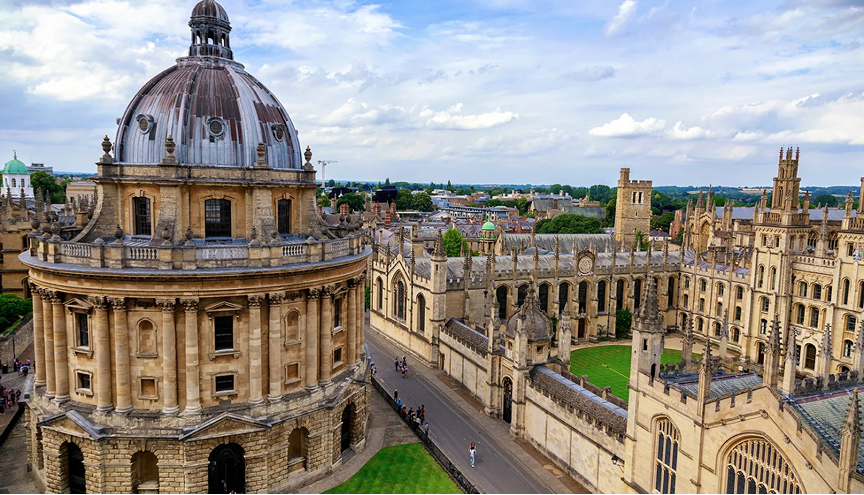
Country: United Kingdom
Founded: 1994Members: 24
Original purpose: Research funding and policy lobbying
The Russell Group represents the UK’s most research-intensive universities, producing a significant share of the country’s academic output and attracting major global funding.
Members:
- University of Oxford
- University of Cambridge
- Imperial College London
- University College London (UCL)
- London School of Economics and Political Science (LSE)
- King’s College London
- University of Edinburgh
- University of Manchester
- University of Bristol
- University of Warwick
- University of Glasgow
- University of Birmingham
- University of Leeds
- University of Sheffield
- University of Nottingham
- Newcastle University
- Durham University
- University of Southampton
- Queen Mary University of London
- University of Liverpool
- University of York
- Cardiff University
- University of Exeter
- Queen’s University Belfast
Group of Eight
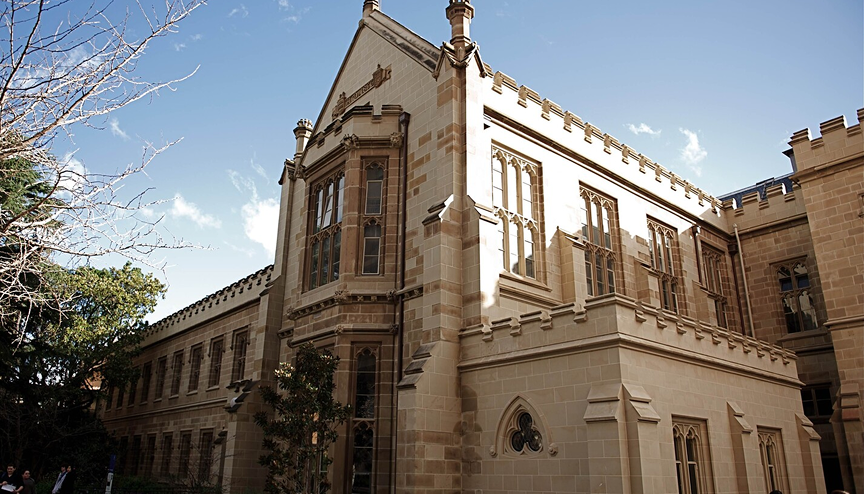
Country: Australia
Founded: 1999Members: 8
Original purpose: Research advocacy and funding
The Group of Eight (Go8) is a coalition of Australia’s leading research universities, responsible for over half of Australia’s university research output. It plays a central role in shaping national and international academic policy.
Members:
- University of Melbourne
- Australian National University
- University of Sydney
- University of Queensland
- University of New South Wales
- Monash University
- University of Western Australia
- University of Adelaide
Origins: why these groups formed
The Ivy League has the most ironic origin story of the three. Formally established in 1954, the group was conceived primarily as an athletic conference—a way for eight northeastern American universities to coordinate their football schedules and eligibility rules. The academic prestige was already there; the brand formalised later. Today, the athletic conference remains, though the cultural weight of "Ivy League" has long since transcended sport.
The Russell Group came together for more pragmatic reasons. In 1994, representatives from seventeen leading UK research universities gathered in the Russell Hotel in London to lobby the government collectively for research funding, hence the name. Membership has since expanded to 24, and the group now acts as a powerful policy voice for research-intensive universities in Westminster and beyond.
Australia's Group of Eight (Go8) is the youngest of the three, incorporated in 1999, but its intent was similar to the Russell Group: to advocate for comprehensive, research-intensive universities at a federal level, particularly during funding negotiations. The Go8 has been especially vocal on issues like international student policy, research infrastructure, and PhD funding.
Key Differences That Actually Matter
Prestige vs Structure
Not all top universities belong to these groups, and being in one doesn’t automatically make a university “better” for your course.
The Ivy League's global brand recognition is unmatched. "Ivy League" has become a synonym for elite education in popular culture worldwide. Yet by many research metrics, the Ivy League as a whole does not outperform the top Russell Group universities. Oxford and Cambridge consistently rank above most Ivies on research output, citations, and international faculty measures. Imperial College London and UCL punch well above their name recognition in global rankings.
The Go8, meanwhile, punches above its weight in specific disciplines, particularly in the natural sciences, medicine, and environmental research. The Australian National University (ANU) is regularly ranked among the world's top 30 universities. Yet Go8 institutions are often less well-known to employers and students in the Northern Hemisphere, which matters for global graduate mobility.
Membership: A Guarantee of Quality?
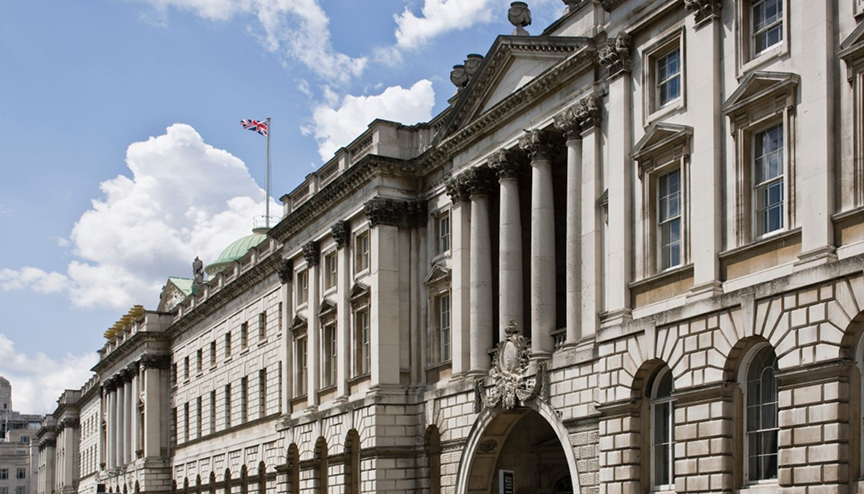
Not entirely. The Russell Group includes a wide range of universities—some globally top 50, others outside top 200. Membership signals research orientation and funding capacity, not a uniform level of excellence across every department.
Similarly, not every Go8 course will outperform a strong non-Go8 university like RMIT or UTS in applied, vocational, or creative disciplines.
The Ivy League is arguably the most consistent of the three in terms of minimum institutional quality, partly because there are only eight members and partly because private endowments allow them to invest uniformly in facilities, faculty, and financial aid. But even here, Cornell and Dartmouth occupy a different tier of global recognition from Harvard, Yale, and Princeton.
Admissions Competitiveness
Admission to the Ivy League is not just about grades. Even perfect academic scores are not enough on their own.
- Acceptance rates often range from 3%–10%
- Looks at holistic profiles: essays, leadership, extracurriculars, recommendations, interviews
- Standardized tests (SAT/ACT) still matter, though some schools are test-optional
- Strong emphasis on “fit” and personal narrative
- International students face even higher competition due to limited seats
The Russell Group is academically rigorous, but admissions are much more transparent.
- Entry is primarily based on A-levels, IB, or equivalent grades
- Some universities (Oxford, Cambridge, Imperial) have additional entrance exams + interviews
- Courses are highly competitive (Medicine, Law, Computer Science especially)
- Offers are often conditional on final exam results
- Less emphasis on extracurriculars compared to the US system
The Go8 is comparatively structured and more predictable.
- Admission is mostly based on academic grades + English proficiency (IELTS/TOEFL)
- Some programs (Medicine, Dentistry, Engineering) are competitive
- Limited or no requirement for interviews or extracurricular profiles
- Offers are straightforward. If you meet the requirements, you’ll most likely get in
- Foundation and pathway programs are widely available
Cost and Funding
Ivy League institutions are very expensive, but they do offer generous scholarships and financial aid. Some universities offer need-based financial aid, not just merit-based, and top schools like Harvard may cover 100% of demonstrated need. However, aid for international students is competitive and not guaranteed.
- Tuition: $60,000–$90,000/year
- Living costs: $15,000–$25,000/year
Russell Group members have a wider range, from moderate to high tuition costs. 3-year undergraduate degrees reduce total cost compared to the US. However, they offer fewer full scholarships for international students. Most students rely on self-funding or partial scholarships.
- Tuition: £15,000–£35,000/year
- Living costs: £10,000–£15,000/year
Group of Eight universities are generally more affordable than the US, with scholarships available. On top of that, Australia allows international students to work part time for up to 48 hours fortnightly, which can significantly help with living costs. Overall, there is clearer financial planning due to structured visa and work rights.
- Tuition: AUD 35,000–55,000/year
- Living costs: AUD 20,000–30,000/year
Teaching Style
Ivy League has a liberal arts approach, especially at undergraduate level, meaning students can change majors easily. This encourages exploration before specialization. Example: A student can start in economics and switch to computer science mid-degree. There is a strong focus on seminars, essays, and discussions.
Russell Group institutions operate with specialization from day one, meaning you choose your course before entering. There is a strong emphasis on independent study and lecture-heavy learning with fewer contact hours. Assessments often rely on final exams or major essays. Overall it’s very focused and academically intense.
Group of Eight universities offer a blend of the US and UK—structured but flexible, often with practical components. Strong use of continuous assessment (assignments + exams) and high emphasis on internships, practical learning, and group projects. There is easier access to industry placements during study and more student support systems for international students.
Career Outcomes & Work Opportunities
Ivy Leagues have massive, extremely powerful alumni networks with strong placements in finance, tech, academia, and politics. They have global recognition and are an effective pathway for elite corporate and academic careers. Graduate salaries are among the highest globally with high recruitment from companies like Goldman Sachs, McKinsey, Google, etc. The network often opens doors before experience does.
Russell Group has excellent employability across the UK and Europe, particularly within key industries like law, healthcare, engineering, public policy, research. Graduate routes like UK post-study work visa (typically 2 years) and strong academic-to-research career pathways contribute to high employability. Oxbridge and top Russell Group universities dominate UK graduate pipelines.
Group of Eight has high graduate employability and strong post-study work opportunities in Australia and Asia-Pacific. Strong industry integration, post-study work rights, and a high demand in healthcare, engineering, IT, and environmental sciences leads to high employment opportunities. Additionally, Australia offers clear pathways to Permanent Residency for eligible graduates. Overall, it has the best balance of study + work + migration opportunities.

Which One Should You Choose?
These three consortiums represent different national philosophies about higher education. The American model built prestige on exclusivity and private wealth. The British model built it on centuries of scholarly tradition and, more recently, research grant competition. The Australian model is newer, with quality universities that serve the national research interest and compete globally while remaining broadly accessible.
None of these groups is simply "better" than another. The right question is which institution, within whichever group, is best suited to your field, your learning style, and your ambitions.
In short:
Choose Ivy League if:
- You want maximum prestige and global recognition
- You have an exceptional academic and extracurricular profile
- You can secure financial aid or afford high costs
Choose Russell Group if:
- You want a focused degree in the UK
- You’re targeting shorter programs (3-year bachelor’s, 1-year master’s)
- You value academic depth and research strength
Choose Group of Eight if:
- You want strong ROI and employability
- You’re focused on sciences, environment, or health
- You prefer a balanced academic and lifestyle experience
Still confused?
Speak to our counsellors to explore options and start your application with confidence.